Kombu

Kombu

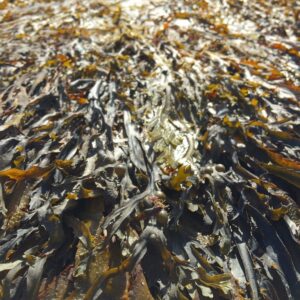
Kombu, a variety of edible kelp widely used in Japanese cuisine, is an intriguing and increasingly popular botanical in contemporary gin distillation. Known for its deep umami profile, kombu introduces a distinctive savoury note that offers a compelling contrast to traditional juniper-forward gins. Its natural glutamates enhance mouthfeel and bring a subtle saline quality that can beautifully balance more dominant citrus or floral elements.

In gin, kombu functions both as a flavour enhancer and a character botanical in its own right. When used judiciously, it lends complexity without overpowering the spirit. Distillers typically incorporate dried kombu in the botanical basket or macerate it before distillation, allowing its nuances to integrate smoothly with other ingredients. The seaweed’s earthy marine qualities can complement coastal botanicals such as sea buckthorn, samphire, or even coriander and angelica root.

The rise of kombu in gin reflects a broader trend toward experimentation and terroir-driven profiles. Especially in gins that aim to evoke a sense of place – particularly coastal regions – kombu can be a powerful storytelling component. It appeals to adventurous drinkers seeking savoury or umami-led expressions and provides an excellent point of difference in a crowded market.

Moreover, kombu pairs exceptionally well in cocktails, especially in savoury serves such as a Martini or Gibson. Its inclusion invites creativity in both distillation and mixology, offering a refreshing alternative to more traditional botanicals and contributing to the growing sophistication of modern gin.